Learn
Every choice, in plain English.
Short, honest notes on what each shape, setting and metal is for, and what it asks of you. The same notes you see in the Design Studio.
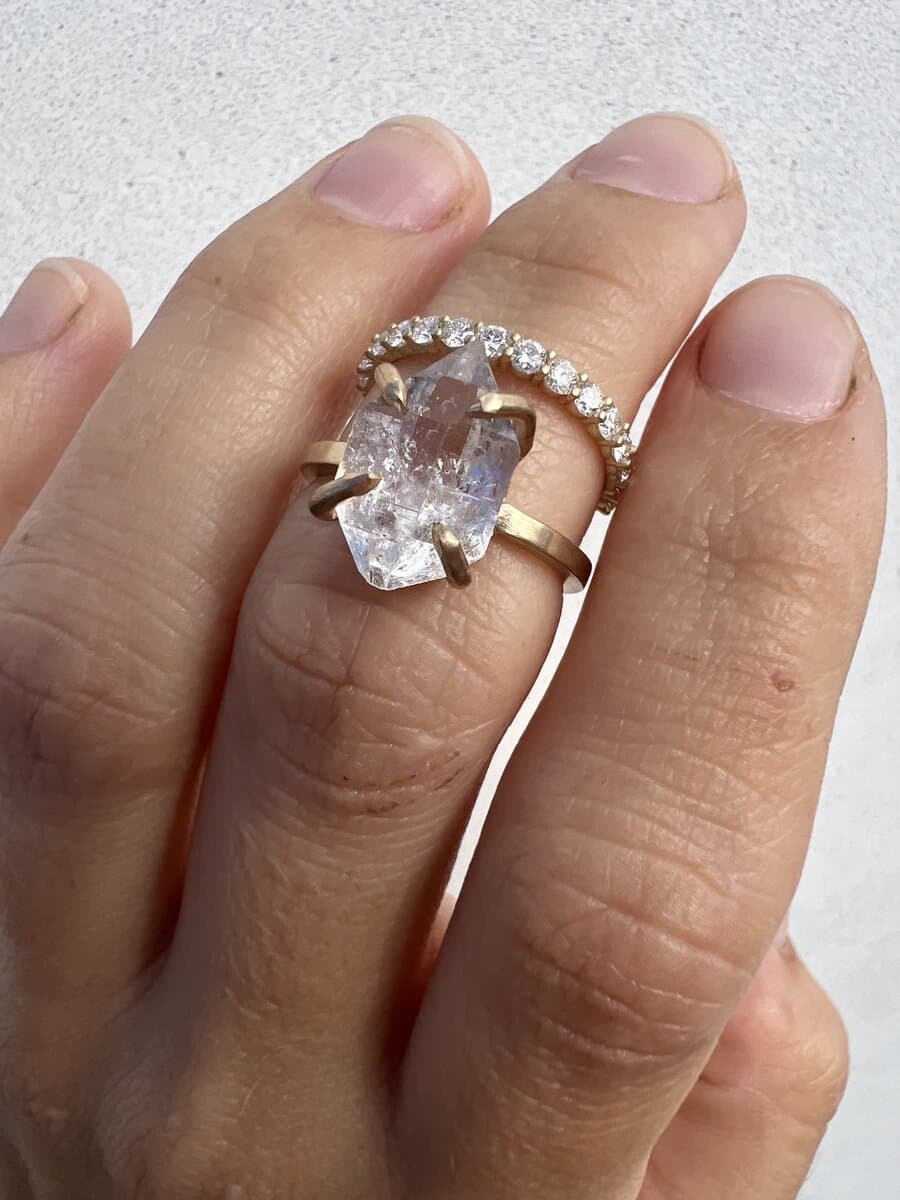
The same notes Sara gives in the studio, written down: what each choice is, who it suits and what it asks of you.
Diamond and gemstone shapes
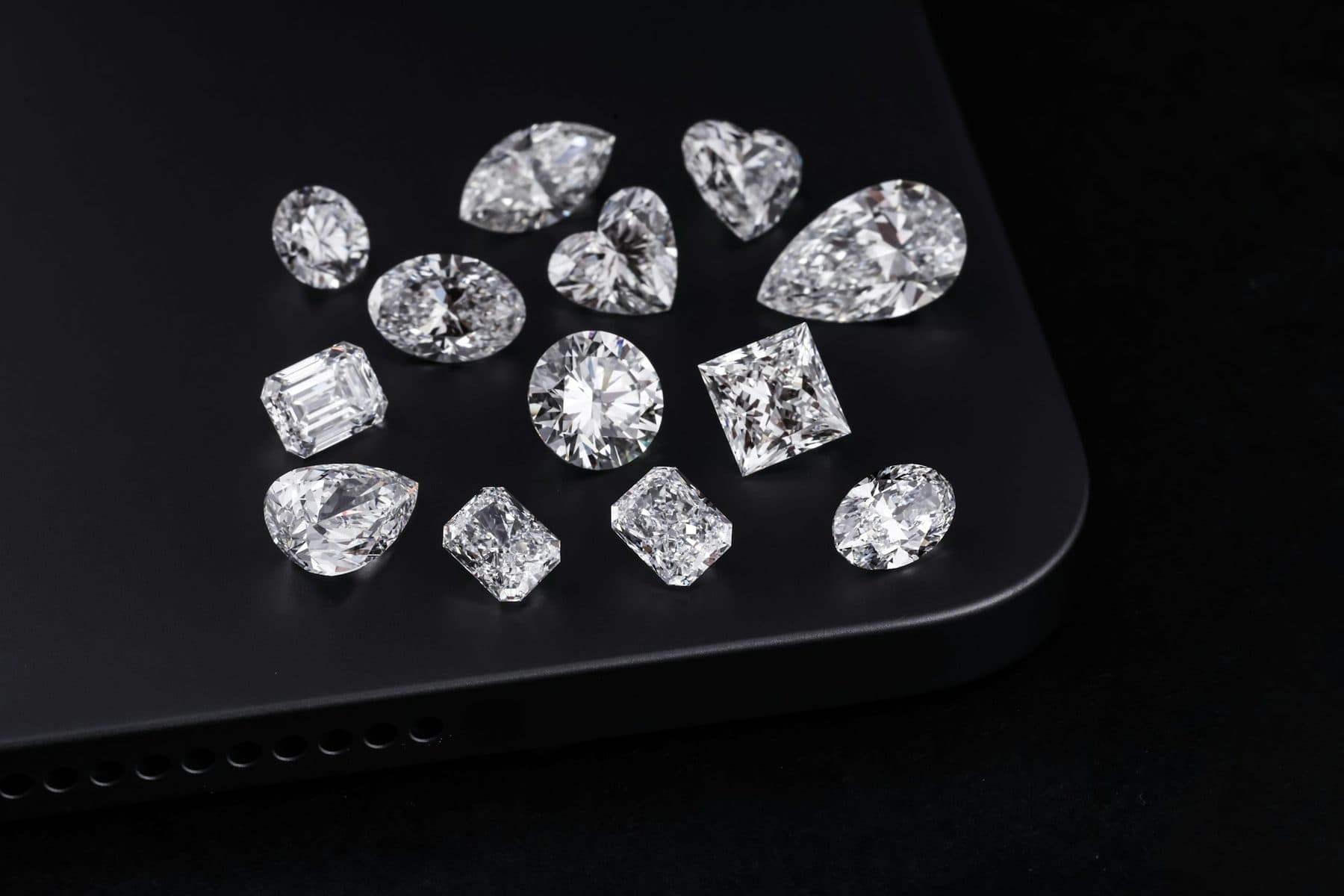
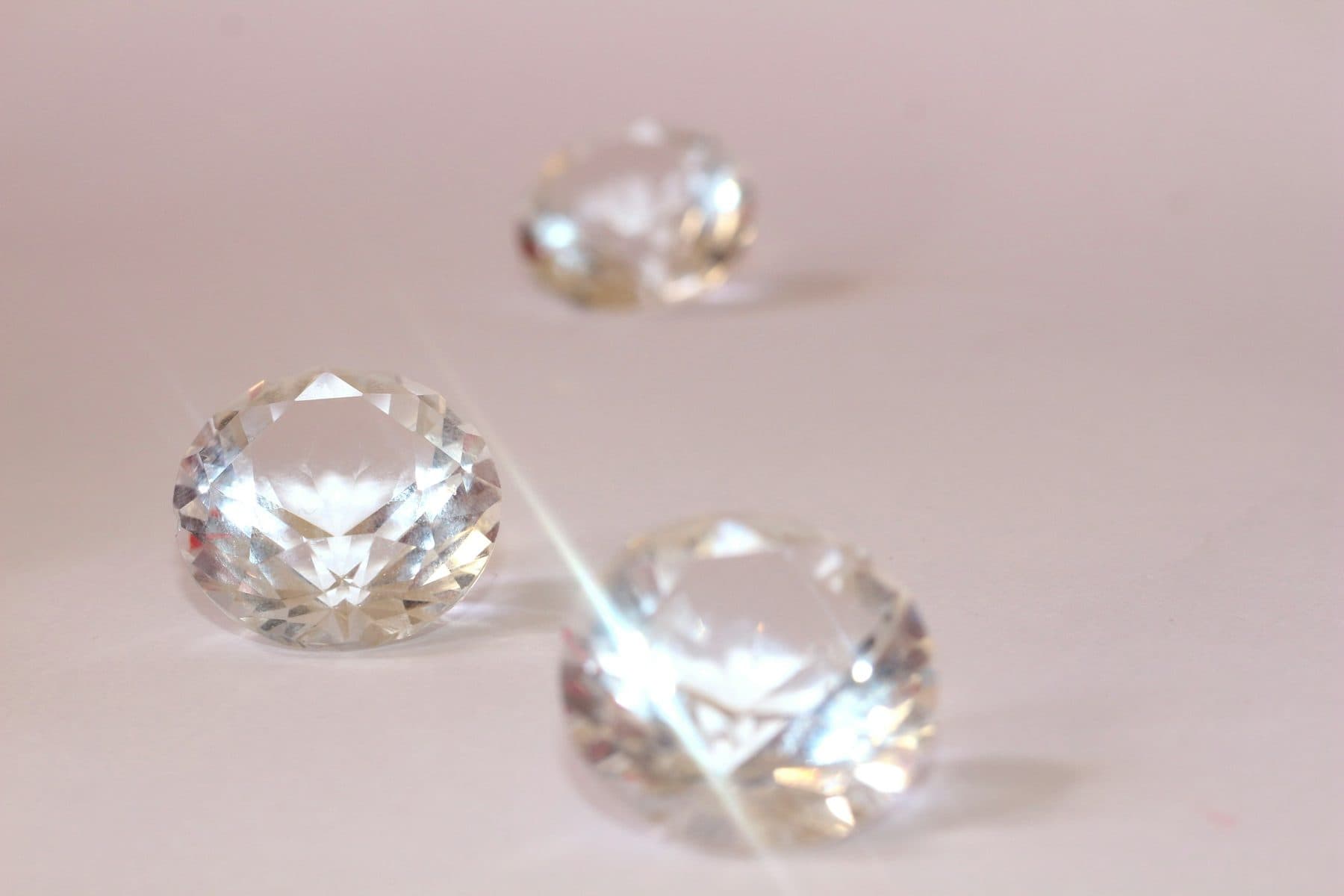
Round brilliant
The brightest cut there is, and the easiest to match with any setting or band.
ReadOval
Looks larger than a round of the same carat and lengthens the finger.
ReadEmerald cut
Long, clean flashes instead of sparkle. Quietly glamorous.
ReadCushion and elongated cushion
A soft square with a vintage feel, forgiving on the hand.
ReadPear
A teardrop that reads as both classic and a little unexpected.
ReadMarquise
The most finger-coverage per carat of any shape.
ReadPrincess
A crisp square with round-brilliant sparkle, usually priced below a round of the same size.
ReadRadiant
The sparkle of a round with the outline of an emerald cut.
Read
Settings
Hidden halo
A ring of small stones under the center stone, seen from the side, not from above.
ReadHalo
Small stones around the center make it look larger and brighter.
ReadSolitaire prongs: four or six
Four prongs show more stone; six hold it more securely.
ReadBezel setting
A metal rim around the stone: the most protective setting, and the smoothest to wear.
ReadThree-stone rings
A center stone flanked by two smaller ones. Past, present and future, if you like the story.
ReadPavé
Tiny stones set along the band so the metal almost disappears.
ReadToi et moi rings
Two stones, side by side or on a diagonal, each in its own setting: any two shapes, any two stones.
ReadAsymmetric rings
Tilted (kite) and offset settings, bypass shanks and open bands, and the trade-offs of each.
Read
Metals
Platinum
White all the way through with no plating to renew, heavy on the hand, and it wears into a soft patina.
ReadPlatinum vs white gold
Side by side: color and plating, weight, allergies, wear, and what the metal is worth today, in words.
ReadYellow gold
Gold alloyed with copper, silver and zinc: 14k or 18k, how it wears, and how it meets a diamond.
ReadRose gold
Its pink comes from copper: the more copper, the pinker. 14k or 18k, and how it meets a diamond.
ReadWhite gold and rhodium
White gold is usually plated with rhodium for its bright white; the plating is renewed from time to time.
Read14k vs 18k gold
14k is the more durable; 18k is three quarters gold and somewhat softer.
ReadMetal finishes
High polish, brushed, matte or hammered: how each finish looks, how it wears, and who it suits.
Read
Stones
Natural vs lab-grown diamonds
Both are real diamonds; the choice is about budget, size and what resale means to you.
ReadChoosing a gemstone for a ring you wear every day
Hardness and toughness, diamond to beryl: which stones wear every day, and which want a protective setting.
ReadSapphire
Corundum in every color but red: 9 on the Mohs scale, tough, and made for a ring worn every day.
ReadRuby
Red corundum, colored by chromium: as durable as sapphire, and the birthstone for July.
ReadEmerald
Green beryl, nearly always filled: why it wants a bezel or a halo, and how to clean it.
ReadAquamarine
Blue beryl, colored by iron and usually heat-treated: durable when protected from knocks.
ReadMorganite
Pink beryl, colored by manganese: more likely to chip, so a protective setting suits it.
Read
Eternity and anniversary bands
Heirloom redesign
Working with Sara
A custom ring from anywhere
How working with Sara by video works, start to finish — wherever you are.
ReadRing sizes: US, UK and EU
US numbers, UK letters and EU millimeters, converted, and how to measure at home.
ReadWhat a custom engagement ring costs
The things that set the price of a custom ring, and why Sara quotes after a consultation.
ReadRing engraving
Inside or outside, three fonts, how long a message fits, and a hidden stone only you know is there.
Read