Learn · Heirloom redesign
Heirloom redesign
The ring from your grandmother, a pendant no one wears, a pair of earrings missing its match. Sara can turn the pieces you have inherited into jewelry you will wear every day, keeping the stones and the story, and the gold where it can be reused.
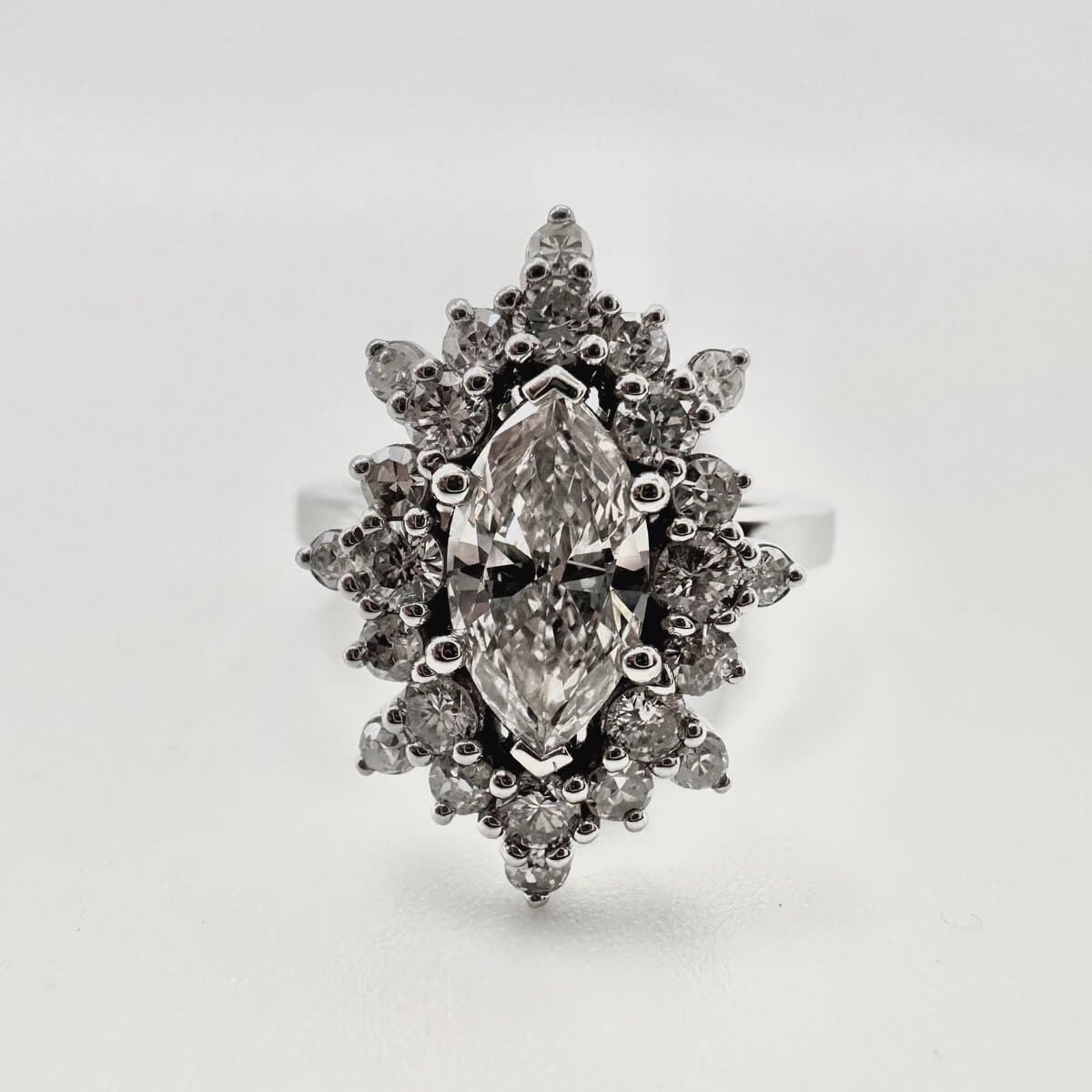
What it is
Heirloom redesign starts with an inspection. Sara checks every stone under the loupe for chips, thin girdles and worn facets, and tests the metal for its karat. Most diamonds and many gemstones can be reset; gold can be reused in the new piece or refined and credited toward it, depending on its karat and condition. Then she designs the new piece in CAD, with renderings, and the old stones go into it.
Heirloom redesign
Sara checks every stone first. Most diamonds and many gemstones can be reset; gold can be reused or credited toward the new piece, depending on its karat and condition.
Why people love it
The stones and the story carry forward, and old gold does not go to waste. A redesign often costs less than a new ring with new stones, because the center stone is already yours. And a piece that sat in a drawer becomes something worn.
- The stones and the story carry forward.
- Old gold doesn’t go to waste.
Trade-offs
Not every old stone survives resetting; chips and thin girdles show up under the loupe, and some soft stones are not worth the risk. Old gold is usually refined rather than melted straight into the new piece, so its value becomes a credit rather than the metal itself. And the original setting is usually not kept, which can feel like a loss until the new piece is on the hand.
- Not every old stone survives resetting; chips and thin girdles show up under the loupe.
- Old gold is usually refined rather than melted straight into the new piece, so its value becomes a credit.
Who it suits
Anyone with inherited jewelry they do not wear, anyone who wants a family stone in their engagement ring, and anyone who would rather reuse than buy new. It works from anywhere: Sara tells you exactly how to send your piece safely.
Sizes
Old stones are measured before anything is designed, and the studio can show a stone of that size in any setting: enter the millimeters and it draws the ring around them. Old cuts, like old European or old mine cuts, are usually a little deeper than modern stones and weigh a little more for their size.
The heirloom panel in the studio takes the weight and karat of an old piece and shows the raw value of the metal at the day's spot price. It is a reference, not an offer or a credit; Sara confirms the real figure after testing the metal.
What affects the cost
What drives the cost is what is new: the metal for the new piece, less any credit for the old gold; any new stones added; the setting work; and the CAD design time. The old stones are yours already, which is why a redesign often costs less than a new ring. Sara quotes after seeing the piece.
Every custom piece is quoted after a consultation; there are no posted prices for custom work.
Care
An old stone that has been reset should be treated like any other: off for hands-on work, cleaned in warm soapy water, prongs checked yearly. Softer gemstones, like emeralds, need extra care and no ultrasonic cleaners.
Questions
Can my old gold be used in the new ring?
Sometimes directly, more often refined and credited toward the new piece. It depends on the karat and condition; Sara tests it first.
What if a stone is chipped?
Many chips can be hidden under a prong or polished out by a cutter; some stones are better kept as they are. Sara tells you what she sees.
Can I do this from another state or country?
Yes. Sara explains how to pack and insure the piece, and the design happens by video and email.
Will I get the original setting back?
Yes, if you want it. Some clients keep it; others have the gold credited.