Learn · Stones
Natural vs lab-grown diamonds
A natural diamond formed in the earth over a very long time; a lab-grown diamond formed in a chamber over weeks. Both are real diamonds, chemically and optically the same, graded the same way. The choice is about budget, size and what resale means to you.
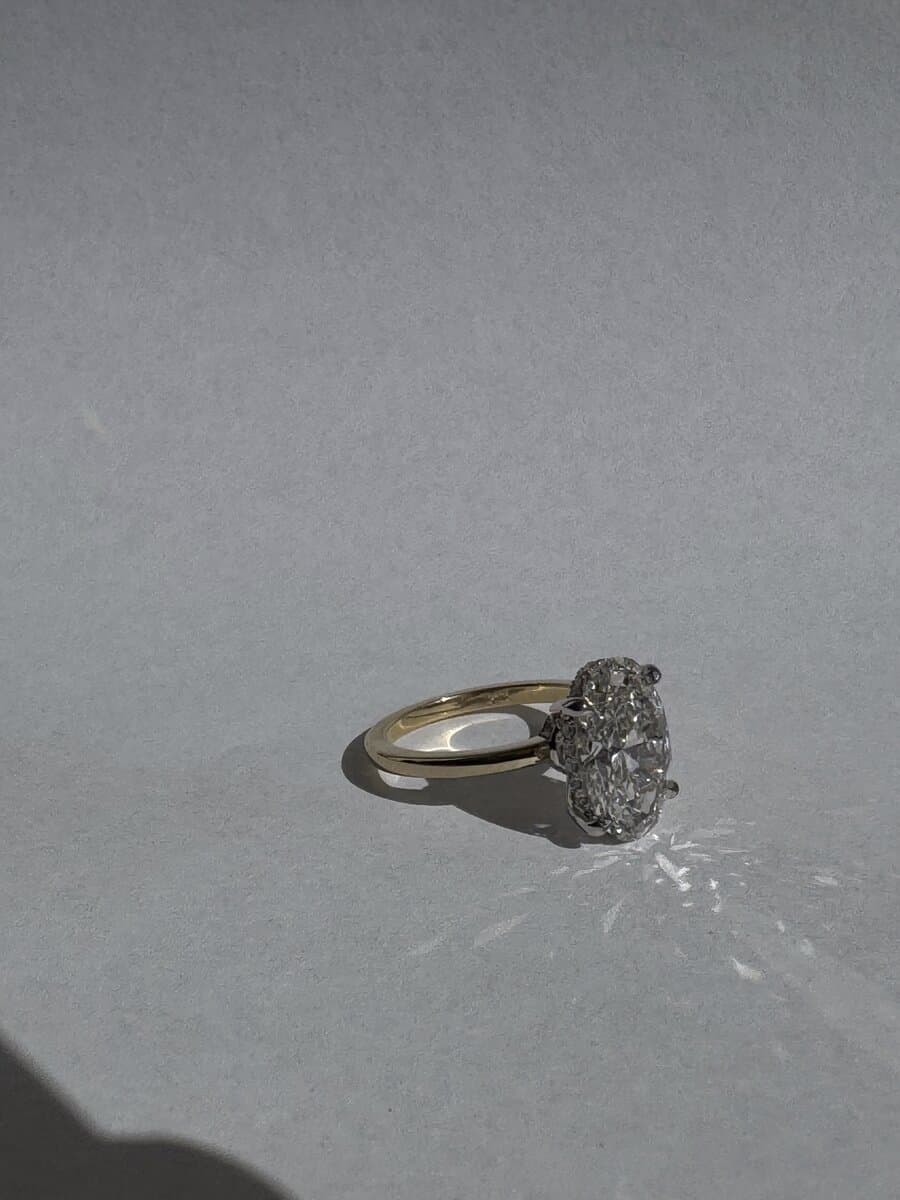
What it is
Natural diamonds are mined crystals, cut and graded for cut, color, clarity and carat. Lab-grown diamonds are grown from a diamond seed by one of two processes and then cut and graded exactly the same way, by the same laboratories. Under a loupe they are diamonds; telling the two apart takes specialist equipment, which is why certificates say which is which.
Sara works with both, and with fine colored gemstones, and with no diamond simulants.
Natural diamond
Mined diamond, graded and certified.
Lab-grown diamond
A real diamond, chemically and optically identical to mined, grown in a lab and graded the same way.
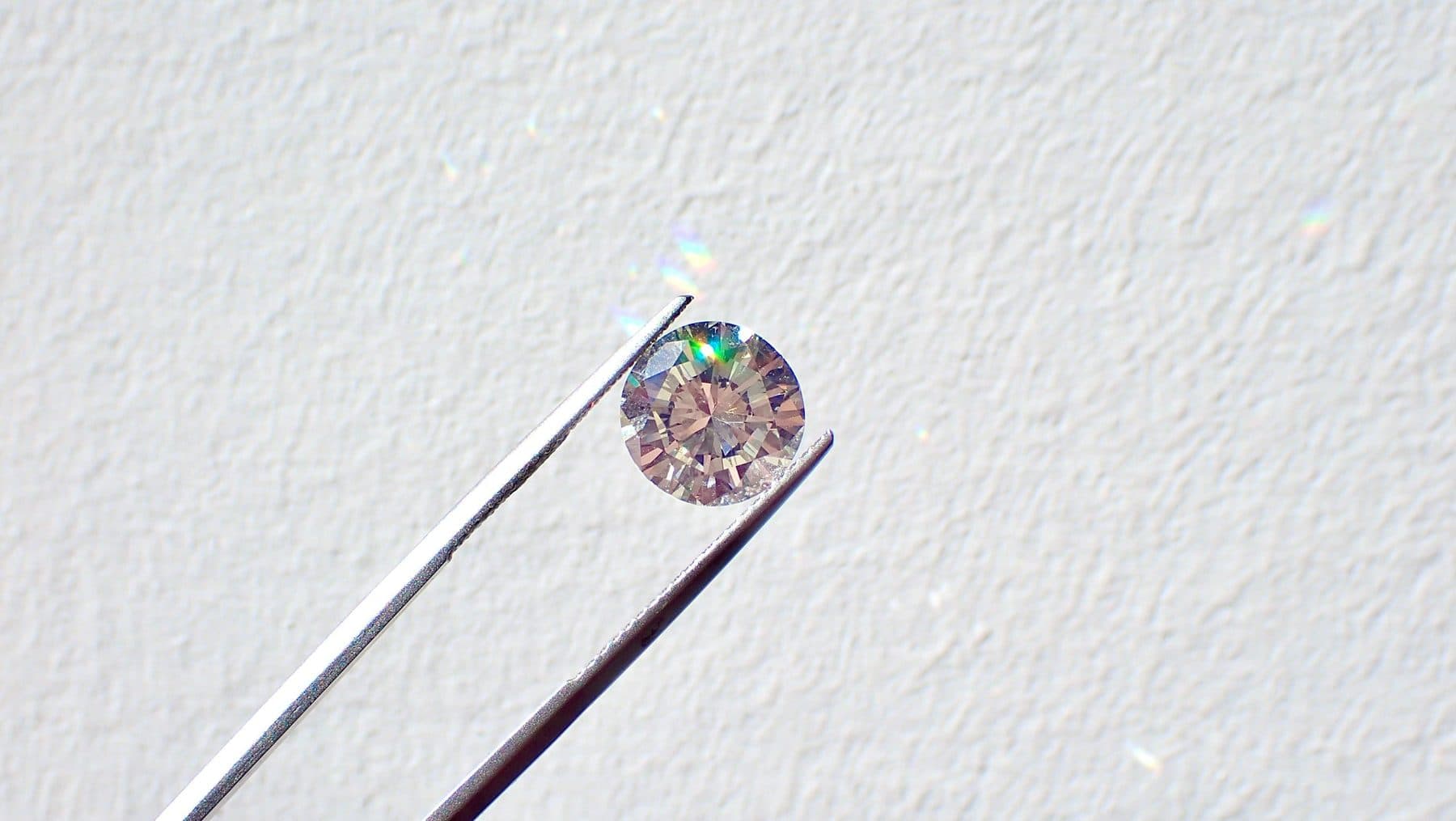
Why people love it
Natural: a one-of-a-kind stone with a geological origin and an established resale market. Lab-grown: the same hardness and sparkle at a fraction of the price per carat, so the same budget buys a larger or a cleaner stone, and a known origin.
- Natural diamond: Hardness 10: the most durable stone there is.
- Natural diamond: An established resale market.
- Lab-grown diamond: Hardness 10, the same durability.
- Lab-grown diamond: Typically costs a fraction per carat, so the same budget buys a larger or cleaner stone.
Trade-offs
Natural diamonds cost considerably more per carat. Lab-grown diamonds have limited resale value, and the market for them is still settling; they are bought to be worn, not as a store of value. Neither is "better" in the ring; the difference is in the price, the origin and what you want the stone to mean.
- Natural diamond: Costs considerably more per carat than lab-grown.
- Lab-grown diamond: Resale value is limited and still settling.
- Lab-grown diamond: Not a mined, one-of-a-kind origin, if that matters to you.
Who it suits
Natural, if the origin matters to you or resale value is part of the decision. Lab-grown, if you want the biggest or cleanest stone for the budget and plan to wear it for life. Many couples choose a lab-grown center and natural side stones, or the other way around; it is entirely your call.
Sizes
| Diameter | Depth | Diamond · approx. |
|---|---|---|
| 5.0 mm | 3.1 mm | 0.47 ct |
| 5.5 mm | 3.4 mm | 0.62 ct |
| 6.0 mm | 3.7 mm | 0.80 ct |
| 6.5 mm | 4.0 mm | 1.02 ct |
| 7.0 mm | 4.3 mm | 1.28 ct |
| 7.5 mm | 4.6 mm | 1.57 ct |
| 8.0 mm | 4.9 mm | 1.91 ct |
| 8.5 mm | 5.2 mm | 2.29 ct |
| 9.0 mm | 5.5 mm | 2.71 ct |
Round diameters and their approximate weight. Natural and lab-grown diamonds weigh the same at the same size, because they are the same material. Natural and lab-grown diamonds weigh the same. All figures approx.
What affects the cost
For either stone: carat weight, then cut, color and clarity. The natural-versus-lab-grown choice is the largest single lever on the price of the stone, often several times over at the same size and grade. The setting is priced the same whichever stone it holds.
Every custom piece is quoted after a consultation; there are no posted prices for custom work.
Care
A diamond is the hardest thing you own, but the metal around it is not. Take the ring off for the gym, the garden and anything with a bar or a rope in it, and keep it away from chlorine and bleach, which attack gold alloys over time.
Clean it at home in warm water with a drop of dish soap and a soft toothbrush, rinse, and dry with a lint-free cloth. Once a year or so, have the prongs checked. Pacific Jewel rings come back to Sara for a clean and an inspection whenever you like.
Questions
Is a lab-grown diamond a real diamond?
Yes. It is carbon in the same crystal structure, with the same hardness, sparkle and grading. It is grown rather than mined.
Can anyone tell the difference?
Not by eye or loupe. Laboratories use specialist instruments, and every certified stone says which it is.
Do lab-grown diamonds hold value?
Their resale value is limited and still settling. Natural diamonds have an established resale market.
Does Sara work with diamond simulants?
No. Pacific Jewel works with natural diamonds, lab-grown diamonds and fine colored gemstones.